Article Under Review
This article is undergoing editorial and medical review. We regularly update content as part of our commitment to providing patient-centered, accurate, evidence-based information.
Overview
The reach of a single donation is wider than most people realize. One organ donor can save up to eight lives. The same person can also help up to 75 more people through tissue and cornea donation. The team works to use every gift that can help.
For donor families, this scope is often where meaning comes in. One choice reaches many lives: patients who get the organs they need, families who get their loved one back, and people whose sight is restored. The impact extends far beyond what most people picture when they first decide yes.
How far does one donor's gift reach?
When you decide to become a donor, you're not just giving one gift. Medical teams work carefully to maximize the impact of your donation. Every organ, every tissue, every possibility is considered so your generosity helps as many people as possible.
Your donation's impact includes:
- Organ recipients. Up to 8 people receive life-saving organ transplants
- Tissue recipients. Up to 75 people benefit from corneas, skin, bone, and valves
- Research advancement. Tissues support medical research benefiting future patients
- Family healing. Knowing your gift helped others provides meaning through loss
- Extended impact. Recipients return to work, family, and communities—ripple effects
- Rare hope. For some patients, your donation is their only chance at life
What can one donor give?
The organs and tissues available for transplant from one person are surprising in their scope. If all of a donor's organs and tissues are viable, the reach is remarkable. But even partial donation—when some organs cannot be used—still saves lives.
Here's what's possible from a single donor:
- Up to 8 people receive organ transplants (heart, lungs, liver, kidneys, pancreas, intestines)
- Up to 75 people receive tissue transplants (corneas, skin, bone, heart valves, tendons)
- Bone marrow and blood products help cancer patients and people with blood disorders
- Research advances benefit generations of future patients
The exact number varies based on medical evaluation and organ viability. Some donors help four people; others help more. The important point is that your donation's reach extends far beyond what many people expect. Each person who receives a transplant returns to their family and community, multiplying the impact through countless relationships.
Organs that can be transplanted
The major organs recovered from deceased donors save lives most immediately. Each organ has a specific recovery window and helps people with different conditions.
Vital organs and outcomes
Different organs have different timelines and help different conditions. Here are the major organs recovered:
- Heart. Transplanted within 4 hours; saves people with heart failure; enables active life
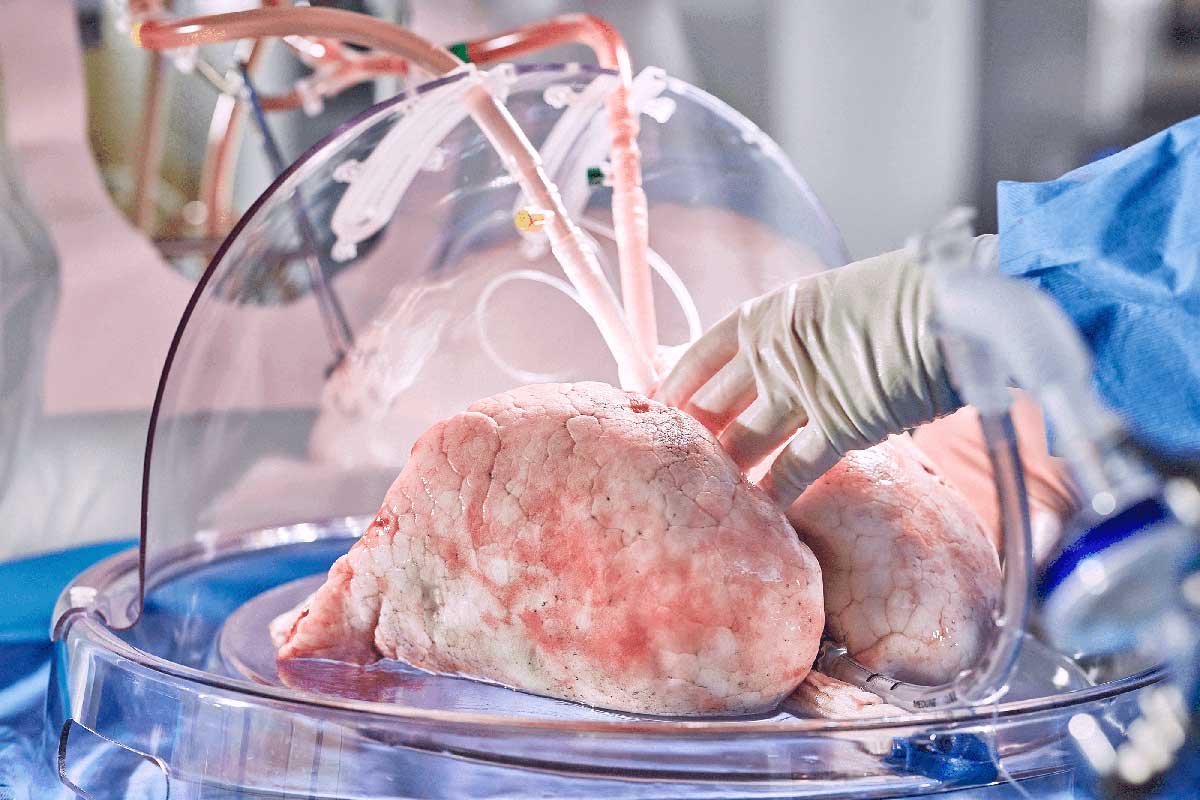
- Lungs. Two lungs recovered together; for emphysema, cystic fibrosis, pulmonary hypertension; dramatic improvements in energy
- Liver. Regenerates; saves people with cirrhosis and liver failure; has longer preservation window
- Kidneys. Two recovered separately; frees people from dialysis; changes daily independence
- Pancreas. Ends insulin dependence for type 1 diabetes patients; often paired with kidney transplant
- Intestines. Rarest transplant; transforms lives of people requiring intravenous feeding; enables normal eating
Each organ's recovery window is different. Hearts and lungs are urgent. Livers have more time. This timing affects how quickly teams must work after brain death or cardiac death is declared.
Tissues that can be donated
Tissues have much longer preservation windows than organs—sometimes hours, sometimes weeks. This flexibility means tissues reach patients far from the donor hospital. One tissue donor helps dozens of people.
Types of tissue donation
Tissue donation reaches many patients because tissues can be preserved longer than organs. Different tissues help different conditions:
- Corneas. Restore sight; 90% success rate; help people with corneal scarring and disease
- Skin. Critical for burn victims; life-saving for severe burns; enables reconstruction
- Bone. Helps people with fractures, arthritis, bone tumors, jaw reconstruction, spine damage
- Heart valves. Replace damaged valves; avoid synthetic replacements and blood thinners; last 15-20 years
- Connective tissue. Tendons, ligaments, cartilage help reconstruction and repair surgery
Cornea donation is especially valuable because sight is fundamental to independence and quality of life. Bone helps restore mobility. Skin can mean life or death in severe burn cases.
How donation helps research
Beyond direct transplant recipients, donated organs and tissues support medical research that helps future patients. Even organs unsuitable for transplant may be used for research.
Tissues used in research help scientists:
- Understand disease mechanisms and causes
- Test new medications before human trials
- Develop better transplant techniques and preservation methods
- Advance treatments for liver, kidney, heart, and lung disease
- Train surgeons on new procedures and technologies
This research benefit extends your gift beyond patients you'll never meet. Your donation helps future generations of patients. Families often find meaning in knowing their loved one contributed to scientific progress and helped cure disease for countless people yet to be born.
The ripple effect
The impact of your donation spreads far beyond immediate recipients. Transplant recipients return to their families and communities. They work, create art, raise children, and volunteer.
Recipients' impact includes:
- Working lives. Employers retain valued employees; people support themselves and families
- Family presence. Parents attend children's events; grandparents see grandchildren grow up
- Community contribution. Recipients mentor, volunteer, and share talents and skills
- Emotional support. Presence with loved ones during important moments
- Role modeling. Teaching children about generosity and helping others
An eight-year-old with new kidneys goes to school and plays sports. A grandmother with a new heart meets her grandchildren. These returned lives create countless invisible benefits through communities.
Healing for donor families
Many donor families find that knowing their loved one saved or improved lives helps them cope with grief and find meaning. The act of donation transforms tragedy into purpose. Parents tell their children about their relative's legacy and the people who benefited. Siblings remember the final gift and how it changed lives. Grandchildren learn their family member mattered and helped others.
This narrative of meaning—that the death resulted in life and healing for others—can help families process sudden loss. Many donor families say their grief is mixed with pride and purpose. They carry forward their loved one's legacy through donation.
Additional Detailed Information
Additional Information
Preservation
Each organ and tissue has a specific time window during which recovery must happen and transplantation must occur for success. Hearts are typically transplanted within 4 hours, with newer ex vivo perfusion systems extending this to 6 hours or more. Lungs must be recovered and transplanted within 4-6 hours. Kidneys have a 12-36 hour window and can be preserved using machine perfusion, which extends viability further. Livers have 8-12 hours using cold preservation. Corneas remain viable for up to 14 days in standard preservation media. Skin can be preserved frozen for years. These windows are why efficient coordination between organ procurement organizations and transplant centers is critical.
Allocation and matching factors
When organs become available, allocation follows strict protocols through the OPTN (Organ Procurement and Transplantation Network). Factors considered include blood type compatibility, tissue (HLA) matching, waiting time on the list, medical urgency of the recipient, and distance from the donor hospital. Children typically have priority for pediatric organs when appropriate. The system aims to balance fairness and utility—ensuring organs go to patients most likely to have good outcomes and benefit most.
Quality metrics for organs
Organ quality is assessed using metrics like KDPI (Kidney Donor Profile Index) and DRI (Donor Risk Index). These help transplant surgeons and physicians decide whether to accept an organ and counsel recipients about expected outcomes. Extended Criteria Donors (ECDs)—older or sicker donors—may have organs with higher risks, but for some desperate transplant candidates, an ECD kidney or liver is better than continued waiting. This risk-benefit analysis is part of informed consent for recipients.
Written By:

Transplants.org Staff
Last Reviewed: February 26, 2026
Informed By:
Transplants.org, with participation from 23 leading U.S. transplant centers, led the largest comparative analysis of patient educational materials in transplant history. We recognize the participating centers who helped inform and inspire our direction with initial patient-centered educational content:
- Mayo Clinic (Co-Author)
- Vanderbilt University Medical Center (Co-Author)
- Johns Hopkins Hospital (Co-Author)
- UCLA Medical Center (Co-Author)
- UCSF Medical Center (Co-Author)
Transplants.org is an independent nonprofit organization and participation is not an endorsement by these organizations.