Article Under Review
This article is undergoing editorial and medical review. We regularly update content as part of our commitment to providing patient-centered, accurate, evidence-based information.
Overview
After you say yes, things move quickly. Teams start working to evaluate organs and find recipients who need them. Doctors run tests, staff search for matches, and the surgical team gets ready. Your donation coordinator explains what is happening and keeps you updated through it all.
You do not need to understand every medical detail. That is the team's job. Your job is to be with your loved one and to take care of yourself. The coordinator will tell you when you can say goodbye and will keep you informed about timing and progress along the way. You will not be left in the dark.
How the coordination begins
After your family says yes to donation, things move with purposeful speed. The hospital and organ procurement team coordinate multiple simultaneous tasks—evaluating organs, finding recipients, preparing surgical teams, transporting organs. Understanding this process helps you feel less lost and more prepared for what's coming.
The coordination process
When you consent to donation, an intricate coordination begins. Multiple teams work simultaneously on different aspects of the recovery and allocation process:
- Medical evaluation team confirms organ viability through testing
- Allocation specialists search the national OPTN waitlist for suitable recipients
- Transplant centers are contacted and confirm acceptance of each organ
- Surgical teams at recipient hospitals prepare operating rooms
- Transport teams arrange logistics for organ delivery
- Your coordination team keeps your family updated on progress
This coordination is complex but well-practiced. The teams involved have worked together on hundreds of donations and know their roles precisely.
After you say yes
The moment you give consent, several things happen almost simultaneously. A donation coordinator is assigned as your main contact, responsible for explaining the process, answering questions, and keeping you informed about progress.
Key activities begin immediately:
- Medical evaluation continues with blood work, imaging, and organ-specific tests
- The allocation team searches OPTN for potential recipients
- Your family is moved to a private, comfortable space
The hospital prioritizes your family's comfort and privacy during this time. You will have access to support staff, chaplains, and counselors as needed.
The donation process
Timeline
The timeline from consent to organ recovery varies but typically follows this pattern:
- First few hours. Organ viability confirmed. Allocation team identifies potential recipients. Coordinator keeps your family informed.
- 6-12 hours. Suitable recipients identified. Transplant centers confirm acceptance. Surgical teams notified.
- 12-24 hours. Recipient hospitals ready. Operating room prepared. Family given time for final goodbye.
- 12-36 hours after consent. Recovery surgery begins. Most recoveries take 3-4 hours.
Some recoveries happen faster for urgent recipients. Some take longer if multiple organs need careful coordination. Your coordinator explains the expected timeline for your situation.
What the team does
Behind the scenes, an orchestrated effort is underway. Different professionals handle different responsibilities:
- Medical evaluation team confirms viability and coordinates testing
- Allocation team searches the waitlist and identifies recipients
- Transplant centers confirm acceptance and prepare surgical teams
- Organ recovery team prepares operating room and surgical staff
- Transport team arranges logistics for organ delivery
- Your coordination team keeps your family informed and supported
This coordination is complex, involving multiple hospitals, surgical teams, and recipients—all coordinated within tight timeframes. The orchestration is impressive.
Your family doesn't need to do anything except be present with your loved one and take care of yourselves emotionally. The team handles all the logistics and medical details.
When will donation happen?
The exact timing depends on recipient identification and surgical team availability. Your coordinator provides a general timeline—usually something like "within 24 hours" or "tomorrow morning."
You'll be told when to expect the final goodbye. Before the body is moved to the operating room, you'll have a chance to say goodbye if you wish. This goodbye ritual is important for many families—it marks a transition. After this goodbye, the body is taken for recovery, and you'll wait in a family room.
Waiting during recovery
Be prepared for a wait. Recovery takes 3-4 hours or longer depending on organ count and complexity:
- Wait with family in a private room
- Go home and return later
- Have the coordinator call when complete
- Receive updates about progress
- Ask your coordinator what to expect in your situation
How you will be kept informed
Your coordinator is your main source of information and will:
- Explain what's happening in clear language
- Tell you what to expect next
- Answer your questions thoroughly
- Update you on timeline changes
- Inform you when recovery is complete
- Tell you which organs were successfully recovered
Your information preferences
Ask your coordinator to call or update you at specific times if that helps you feel in control. Most coordinators will accommodate this request.
- Some families want detailed updates
- Others prefer minimal contact
- Tell your coordinator your preference
- They will respect your choice
- Many OPOs provide non-identifying recipient information (demographics, organs received)
Leaving the hospital
After organ recovery is complete, your loved one's body is prepared and released to the funeral home. The hospital provides necessary paperwork including confirmation of death, medical history, and donation information. The funeral home will need this documentation.
Your choices about leaving the hospital
Different families choose different paths:
- Some stay until their loved one leaves—accompanying them as they depart
- Others leave before recovery, feeling they've already said goodbye
- Others leave and return later
- All choices are valid—there's no obligation to witness any particular moment
Next steps at hospital and funeral home
The hospital will explain:
- Where the body goes after recovery
- What happens at the funeral home
- What documentation is needed
- Funeral home staff will contact you within hours
- Medical examiner/coroner involvement depends on cause of death
Funeral arrangements timing
You don't need to make all funeral arrangements immediately—you can take time to decide. However, it helps to have someone (funeral director, family member, or OPO social worker) begin the process while you're at the hospital.
This ensures your loved one's body is cared for and next steps are clear. Some hospitals can connect you with funeral homes; others let you choose your own. Hospital staff can provide suggestions if you don't have a funeral home in mind.
Additional Detailed Information
Additional Information
Organ preservation and transport logistics
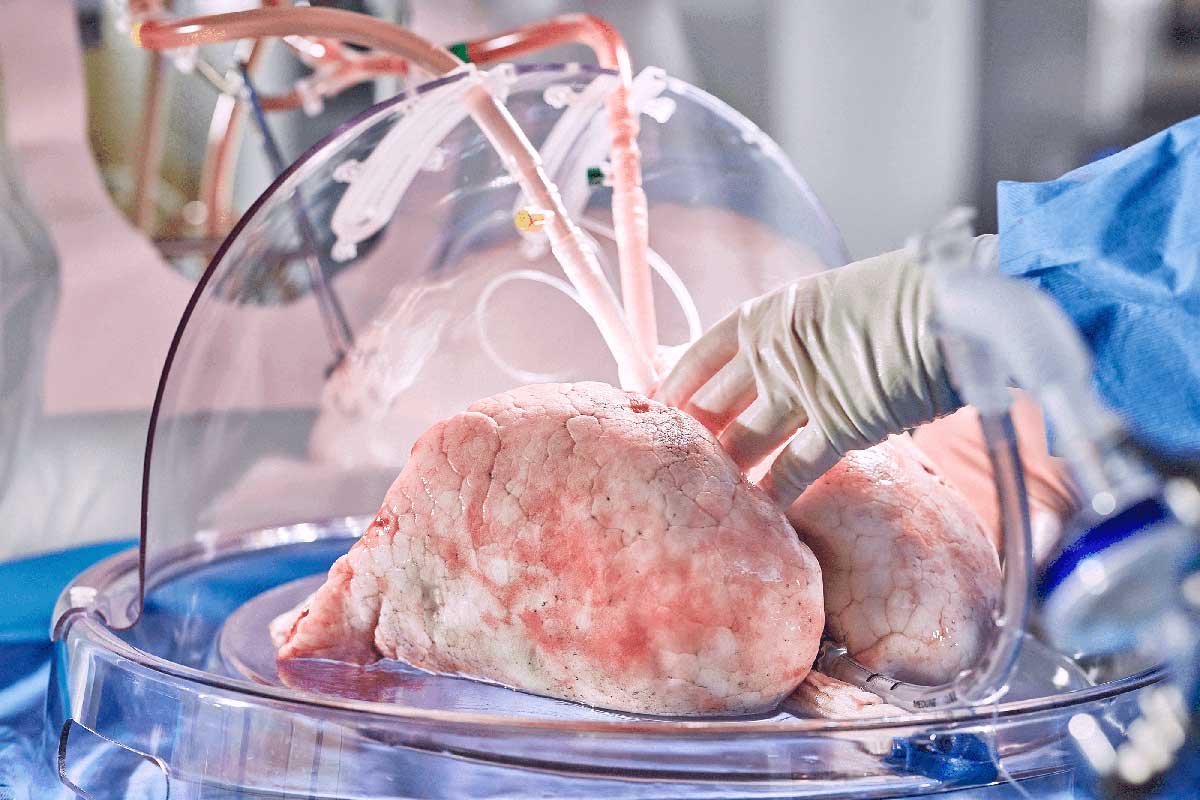
After recovery, organs are placed in sterile containers with cold preservation solution and transported to recipient hospitals. Transport may be by ground ambulance or by air (helicopter or airplane) depending on distance. The organ procurement organization arranges transport using specialized couriers trained in organ handling. Organs must reach recipient hospitals and be transplanted within specific timeframes—usually within 4-6 hours for hearts and lungs, 12-36 hours for kidneys and livers. The race against the clock is why coordination is so urgent and precise.
Procedures
When multiple organs are being recovered from one donor, multiple recipient hospitals may be preparing transplants simultaneously. A heart goes to one hospital, kidneys to different hospitals, liver to another. Surgical teams at all these hospitals prepare operating rooms, review recipient status, and get ready. Once organs arrive, transplant surgeries begin. The coordination required is substantial—phone calls, electronic communication, real-time updates all happening simultaneously across multiple states or regions.
Documentation and consent verification
When your family consents to donation, extensive documentation occurs. Forms are signed, consent is witnessed, the donor's wishes are documented. This documentation is part of the medical record and protects everyone—the donor, the family, the medical team. Before recovery surgery, this consent is verified one final time. This verification ensures that the person going to surgery truly gave consent and that donation is proceeding with family wishes honored.
Written By:

Transplants.org Staff
Last Reviewed: February 26, 2026
Informed By:
Transplants.org, with participation from 23 leading U.S. transplant centers, led the largest comparative analysis of patient educational materials in transplant history. We recognize the participating centers who helped inform and inspire our direction with initial patient-centered educational content:
- Mayo Clinic (Co-Author)
- Vanderbilt University Medical Center (Co-Author)
- Johns Hopkins Hospital (Co-Author)
- UCLA Medical Center (Co-Author)
- UCSF Medical Center (Co-Author)
Transplants.org is an independent nonprofit organization and participation is not an endorsement by these organizations.